About Mujin 2.0
Built at the intersection of trust, technology, and community
Japanese and foreign co-leadership building collective impact infrastructure at the intersection of community, technology, and charitable capital.
The Tradition
Why 無尽. Why now. Why Japan.
無尽 (mujin) is not a brand name. It is a centuries-old Japanese tradition of mutual lending circles where community members pooled resources and extended trust-based capital to one another. No credit scores. No collateral. Just 信頼 (shinrai) -- trust built through years of shared life.
These circles worked because everyone knew everyone. Reputation was currency. If you borrowed and failed to repay, the entire community felt it. This created natural accountability far stronger than any legal contract.
Mujin 2.0 rebuilds this tradition with modern infrastructure. Mission agency workers embedded in Japanese communities for two or more years serve as the trust verification layer that mujin circles once provided naturally. The technology is new. The principle is ancient.
Why This Model
No single agency can solve credit exclusion alone. Shared infrastructure reduces cost for everyone. Cross-agency data reveals system-level patterns. Collective voice attracts institutional funding.
Why Now
300+ foreign workers are already embedded in Japanese communities. Traditional evangelism methods are plateauing. Agencies need innovation. Japan's New Capitalism agenda aligns with inclusive economic growth. The infrastructure gap is the opportunity.
Why Japan
Japan is the proof of concept. Honor and reputation dynamics strengthen the moral repayment covenant. 5,000+ mission workers in the Philippines are next. Southeast Asia follows. The model scales to every community where trust networks already exist.
Leadership
Japanese and foreign co-leadership
Mujin is not a foreign charity operating in Japan. It's a bilingual, cross-cultural leadership structure where Japanese and foreign co-founders share decision-making and accountability — backed by a network of 300+ foreign workers across Japan and advisors spanning Google, the United Nations, KPMG, and major ministry networks.
Executive Leadership
Bilingual leadership across cultures
Japanese and foreign co-founders bring complementary strengths: deep cultural navigation, institutional relationships in Japan, international capital networks, and technology infrastructure. Neither leads alone.
Advisory Council
Cultural guidance and institutional accountability
Japanese nationals and international advisors provide cultural guidance, borrower advocacy, and institutional accountability — ensuring Mujin operates with integrity within Japanese social norms.
Verification Network
300+ workers embedded across Japan
Mission workers who speak Japanese, have lived in communities for two or more years, and are trusted by the people they serve. They are the trust verification infrastructure that makes everything else possible.
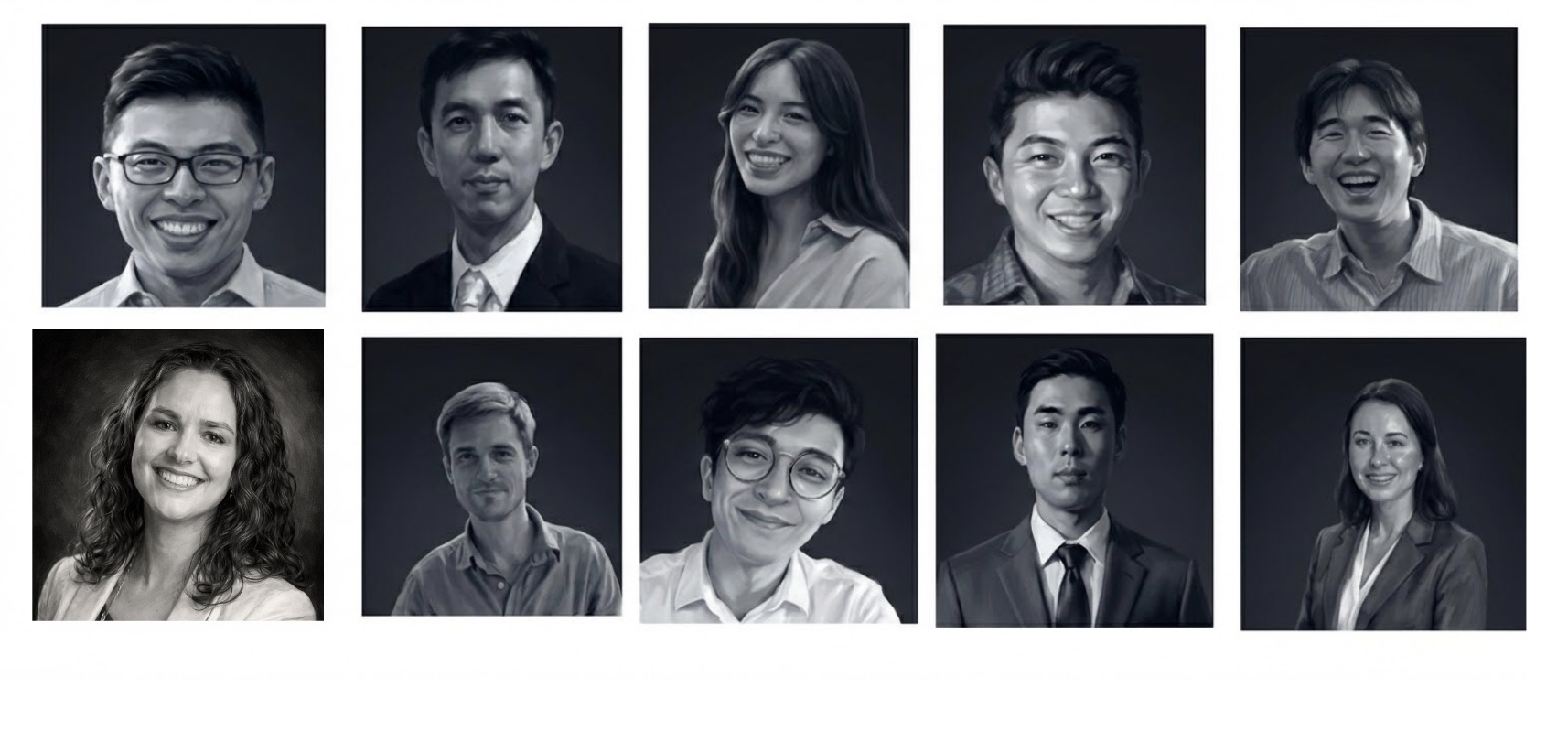
Mujin 2.0 Leadership — Dallas + New York + Tokyo
Building systems that are known well, not just well known.
The Mujin 2.0 Vision
Institutional Foundation
Backed by experience across three worlds
Mujin's leadership draws from global finance, community development, and on-the-ground ministry — the rare intersection required to build trust-based capital infrastructure.
Corporate
- KPMG
- Microsoft
- Mitsubishi UFJ Financial Group
- United Nations (UNCDF, DESA)
- U.S. Department of the Treasury
Ministry
- Faith Driven Entrepreneurs
- Indigitous
- Lausanne Movement
- Samaritan's Purse
- Tokyo Union Church
- World Vision
Academic
- Michigan University (Ross)
- NYU (Tandon & Wagner)
- Texas A&M University
- UC San Diego
- University of Southern California
- Wheaton College
Cultural Approach
Built for Japan. Not imported to Japan.
Cultural sensitivity is embedded in our governance, our team composition, and every interaction with borrowers and communities. We honor Japanese social norms because genuine partnership demands it.
Partnership, not charity. Long-term commitment, not transactional. Community benefit, not individual enrichment. Borrower dignity -- they are partners in flourishing, not recipients of aid.
01
Honor and reputation dynamics
Japanese social structures around honor and reputation naturally strengthen the moral repayment covenant. We work with these dynamics, not against them.
02
Long-term relationship focus
Every borrower relationship is designed for years, not months. Alumni networks extend the connection indefinitely.
03
Borrower voice in program design
Advisory council ensures those closest to the impact shape how the program operates. Their input is not optional.
What We Don't Do
Clear about what this isn't.
Not a bank.
No credit scores. No collateral. No legal enforcement. Capital moves through moral covenant and community accountability.
Not a foreign charity.
Japanese co-leadership. Japanese advisory board. Built for Japan's cultural dynamics, not imported from elsewhere.
Not for everyone.
We serve credit-excluded entrepreneurs verified by community trust networks. If traditional banks will fund you, they should.